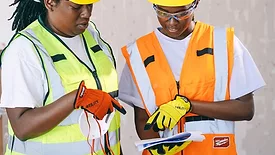
Chris Fresh, host of The Plumbing Sales Coach Podcast – The Fresh Approach, explains how a service-first culture builds trust, boosts technician confidence and ultimately leads to stronger business results.
As utilities and building owners look for new energy storage solutions, hydronic thermal storage presents an efficient alternative to batteries in many applications.
Firefighter Jesse Correira applies the same calm, methodical approach to plumbing as he does emergency response while upgrading residential hydronic systems.
A Massachusetts plumbing contractor replaced an aging indirect water heater with a larger system designed to accommodate future renovations and improve efficiency.
The Armbrust Plumbing team recently had a redesign of their fleet of 18 trucks, with the help of Lemon Seed Marketing. Featuring bright blue and green, partnered with an elegant navy blue, the real star of the truck is the knight.
Across the industry, contractors are steadily recognizing that the word emergency is being applied far more broadly than the conditions it was meant to describe.
Emergency demand will always be part of plumbing and mechanical work. Systems fail. Weather intervenes. Customers need help quickly. But treating urgency as an emotional reflex rather than a validated signal creates inefficiencies that compound as organizations scale.
As companies begin evaluating budgets and planning for the future, many leaders focus on lead generation and brand awareness. While those initiatives are important, it is equally important to examine what happens after a prospect enters the sales funnel.
U.S. shipments of residential gas storage water heaters for April 2026 decreased -1.6 percent, to 361,801 units, compared to 367,604 units shipped in April 2025.
The latest numbers show that water heater shipments continued to soften in April, reflecting many of the same economic pressures affecting residential construction and remodeling activity.
Gen Z is increasingly interested in skilled trades careers, but attracting and retaining this generation will require new approaches to training, mentorship and workplace culture.
Industry leaders say Gen Z sees something previous generations may have overlooked: the trades offer purpose, opportunity and a chance to make a tangible impact every day.

 RSS
RSS

.webp?height=168&t=1782963661&width=275 "An Open & Shut Case (part 1)")
.webp?height=168&t=1782919193&width=275 "From Firehouse to Jobsite: A Contractor's Approach to Water Heater Replacement")